

We offer quality Danish to English and English to Danish translations by human linguists who possess a solid understanding of both languages and cultures. So if you need to bridge these two cultures as part of your ongoing work or a new business venture, look no further than COMUNICA.
Why Translate Danish to English and English to Danish?
You might not see an immediate reason to translate Danish to English or to translate English to Danish. After all, English is the global lingua franca and the most common language spoken online, with 372.9 million native speakers and 1.452 billion speakers in total. Danish, on the other hand, is a relatively small Nordic language spoken by around six million people across Denmark, northern Germany, Greenland and the Faroe Islands.
Not only are Danish speakers small in number, Danes are also well known for speaking great English, so we won’t blame you if you’re wondering whether it’s really necessary to translate from Danish to English or to translate Danish into English. But we’re here to tell you that there are many, many, good reasons!
Foreign interest in the Danish market has been expanding rapidly, and countless studies have shown that customers respond better to content in their own language. The Danes are no exception to this rule, and as Denmark is a lucrative market with plenty of economic muscle, it is well worth taking the time and effort to reach Danish consumers and buyers in their own language.
Why Hire a Professional Translator to do your Danish to English Translation Projects?
If you’re convinced of the value in translating from Danish to English specifically, the next thing you might be wondering is whether you really need to hire a professional to do the job. After all, the Danes have been recognised as the third best non-Anglophone speakers of English in the world. And now with AI, many may be feeling confident enough to do their Danish into English translations alone.
Here, it is important to keep in mind that it is very difficult for anyone – no matter where you are from or what language you speak – to write flawlessly in a second language. While Danes may be great at speaking perfectly comprehensible English, they often transfer across quirks from Danish that stick out like a sore thumb in a written English text.
These sorts of mistakes are naturally fine if you’re having a general conversation about what’s on TV or when you’re going to have a meeting, but they may be more of a problem if they appear in texts that intend to convey a sense of professionalism, or which have been written for the purpose of building a genuine, emotional connection with the audience.
Readers will likely doubt the competence or attention to detail of the writer and may be discouraged from engaging further with your service or company. And in today’s fast-paced, globalised world, that can be enough to spark a breakdown in trust and arrest a budding relationship before it has ever had the chance to bloom.
Not convinced yet? Let’s take a closer look at some of the pitfalls when translating between Danish and English. You’ll soon see that it’s not as simple as just swapping one word for another, but rather a complex and culturally loaded practice with lots and lots to consider.
Pitfalls of Danish to English Translation
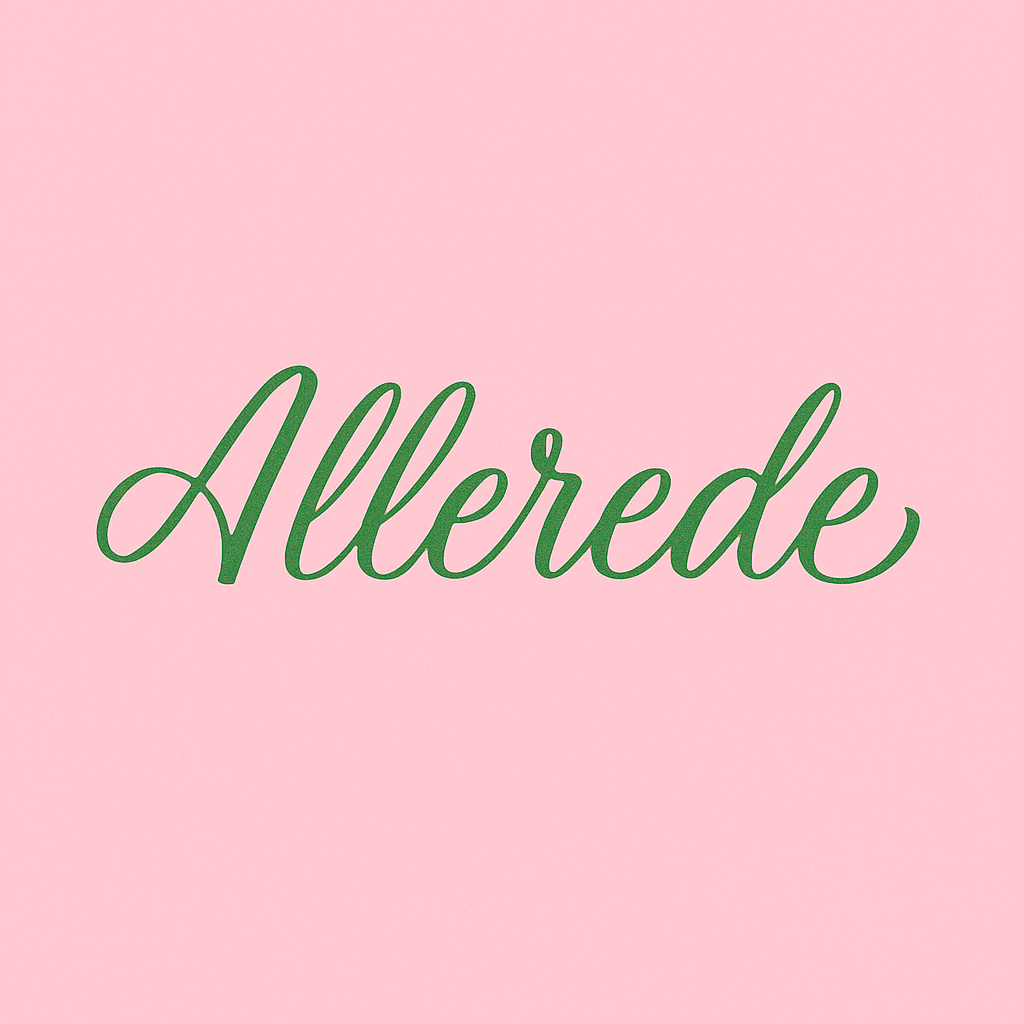
Already is a great example of a simple word that can easily raise eyebrows. The very similar Danish word Allerede is used in Danish to indicate that something has or will happen sooner than expected. This contrasts with Already in English, which simply means something that has happened in the past.
The result? Sentences like She will be here already in five minutes or Preparations for the war began already in 1876. These sentences can be understood but they don’t sound quite right and immediately set off alarm bells in the ears of a native speaker.
Another issue is that Danes tend to litter their English with overly formal words that sound downright Shakespearean. This is because Danish uses lots of conjunctive words with direct translations that the average English speaker just doesn’t use all that often, like derfor (therefore) and hermed (hereby/herewith). When Danes use these words in English, they can raise eyebrows and even elicit a laugh if they sound especially out of context.
Danish syntax can also be an issue. For example, the verb fortælle is used quite commonly in Danish and literally means to tell. The problem, however, is that in Danish this verb does not require an indirect object, while in English it does. This results in sentences like the text tells that the Cuban Missile Crisis lasted for thirteen days.
Although English speakers can understand this sentence perfectly well, the glaring omission of an indirect object leaves them wondering who the text tells this to. Our attention is drawn away from the point of the sentence and we are left focusing on the error instead, wondering whether it represents an omission or a poor command of the language.
Pitfalls of English to Danish translation
There are also plenty of stumbling blocks when it comes to Danish to English translation. English speakers are just as likely to transfer their own syntax into the Danish language as the Danes are, and punctuation can also be particularly tricky.
For instance, commas are used differently in both languages. Danish has what is known as a grammatical comma while in English, commas mostly reflect pauses in speech. Mastering the grammatical comma can be difficult and by no means comes naturally to English speakers who have a much more flexible relationship with the comma.
Tror and synes are two other simple verbs that tend to cause a lot of confusion. Both have the same translation in English – to think – and so it can be pretty easy for an English speaker to mix them up. In Danish, however, tror refers to things we believe (I think the world is round) while synes refers to our opinions (I think Copenhagen is a beautiful city).
Professional Translation is the Way to Go
So as you can see, there are many ways to go wrong when it comes time to translate Danish to English or English to Danish, and even small mistakes can quickly shake the confidence of your readers. So rather than risk it with an in-house translation or a quick machine-translation solution, it is best to go for a professional translation.
What’s more, professional translators can also be sure to localise when they translate Danish to English or English to Danish. This means not only considering linguistic matters, but also adapting other aspects of the text so that they feel instantly familiar to readers in Denmark or a particular part of the English-speaking world. This may mean converting units of measurement or translating the names of cultural figures, for example. It may even mean adding explanatory information to make cultural or political references more accessible.
Some other benefits include:
- Use of CAT tools for term consistency and spell checks
- Contact person who is readily available to assist with questions
- Proofreading services to ensure quality
- Range of additional services from subtitling to post-editing and AI translation. Click here to see all the different services we offer here at COMUNICA.

Why Choose COMUNICA for your English to Danish and Danish to English Translations?
Here at COMUNICA, we work with native, human and experienced translators who have been around the block enough times to recognise all of the pitfalls a mile off. Our translators always work into their native language, meaning they are not prone to making any of the common mistakes considered on this page.
In addition, our linguists also have university qualifications and great familiarity with the target culture, so they can be sure to produce texts that read naturally and that will land with their intended audience. This means you can rest assured that the final result will read like a polished and professional text, and that it will be able to successfully convey your intended message to a new market.
If you would like to learn more about us and how we can help you with our Danish to English and English to Danish translation services, you are very welcome to get in touch with us for an informal chat about your needs and how we can help.
Alternatively, you can use our online form to get a commitment-free quote quickly and easily for your Danish to English or English to Danish translation needs.
We hope to hear from you already today! Err, no, scratch that. We mean – looking forward to hearing from you soon!