


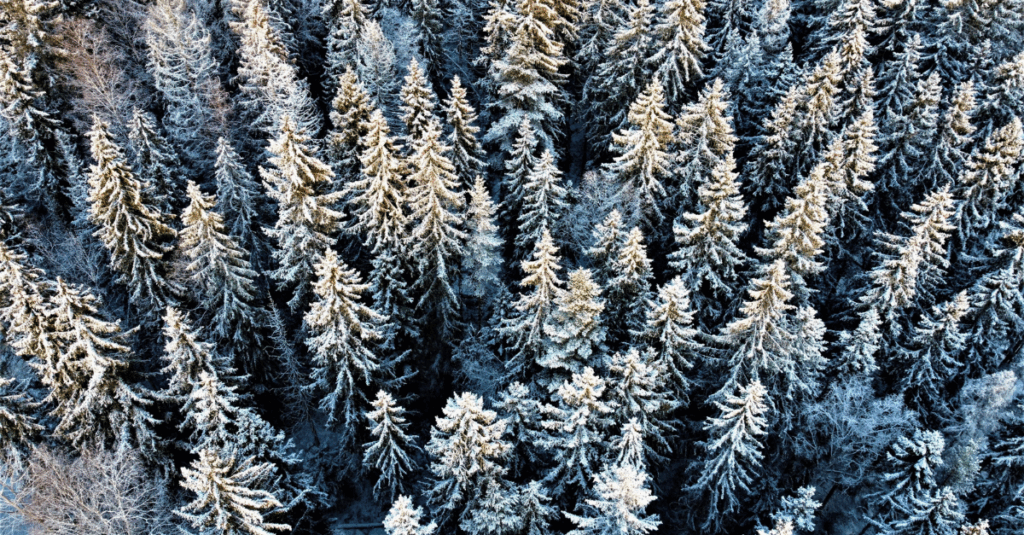
Nature is central to life in the Nordics. The region is sparsely populated and its people live among mountains, fjords, forests, lakes and stunning coastlines. It is a landscape that has not always been easy to farm or to make into a home, with temperatures plunging into the -20s and beyond in some places in the winter. But the flip side to these hardships is the incredible beauty of the region, and unique phenomena such as the northern lights.
As with all things that are important to our lives, with time they become ingrained in the languages we use. In this post, you can read about five nature words in the Nordic language that reveal a little something about the region, its people, and the outsized role that the natural world plays in every day life.
Mångata
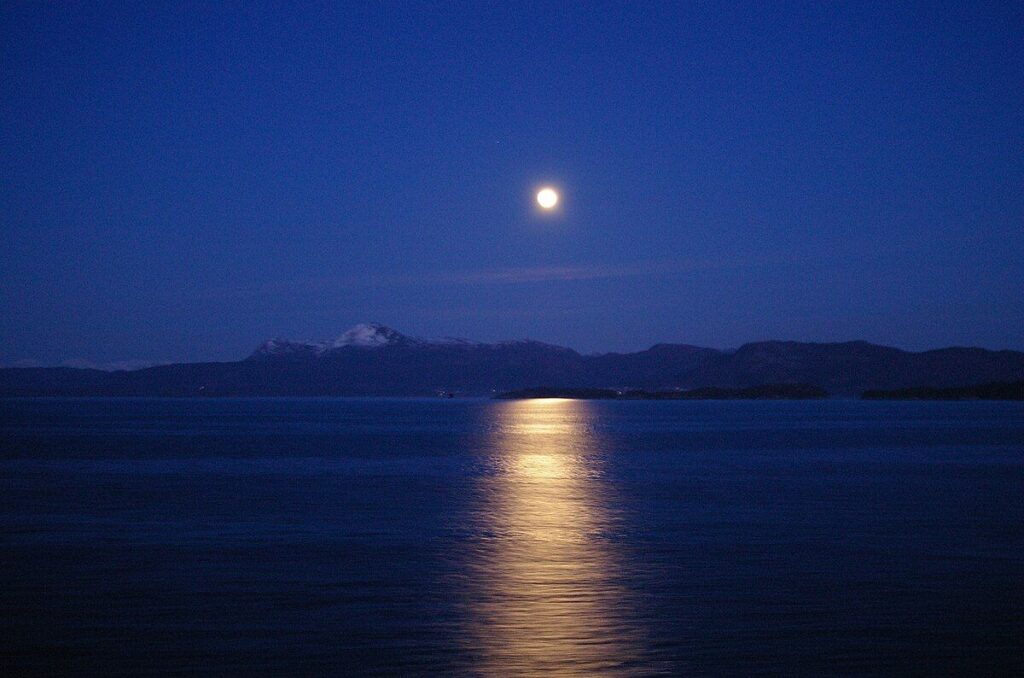
Mångata is a Swedish word which describes the way moonlight reflected on the surface of a lake or the sea can create the illusion of a road or path leading over the water and towards the moon itself. For Swedes, the word is linked to that special and serene feeling of being in the forests or the countryside and taking the time to appreciate those small wonders of nature. It conjures up a silent scene in isolated surroundings in which the moon shines brightly, away from the bustle and light pollution of urban life.
The first recorded usage of the word dates back to 1890. In recent years, it has come to be considered an emblematic example of the uniqueness of Swedish culture and language. That is because it reflects a special way of seeing the world that is ingrained in the nation’s vocabulary and written heritage.
It’s also interesting to reflect on how the existence of a single word like this may also lead to an increased awareness or appreciation of a certain phenomenon within a culture. Could it be that Swedes have a unique appreciation of moonlight simply because this word exists in their lexicon, and they have been hearing it ever since they were children?
Gluggaveður
Here’s an unsurprising word from a country notorious for its inclement weather conditions. The Icelandic word Gluggaveður captures that cosy, contemplative and safe feeling we get while looking out at weather we wouldn’t want to get caught up in. It’s that pattering sound of heavy rain on the roof, the captivating sight of howling winds as they ravage through the neighbourhood or the might of roaring thunder and the anticipation of counting the seconds after a lightning strike.
Gluggaveður is of course rooted in the fact that Iceland gets its fair share of wind, rain, snow and storms. But it also points to a sense of optimism and positivity at the core of the Icelandic character. Rather than complain or begrudge the oftentimes harsh weather conditions of their country, Icelanders have instead found ways to appreciate its might and beauty. They frame it as the perfect setting to brew a cup of tea and get cosy with a good book, making the most of the circumstances and finding ways to enjoy the unenjoyable.
Kura Skymning
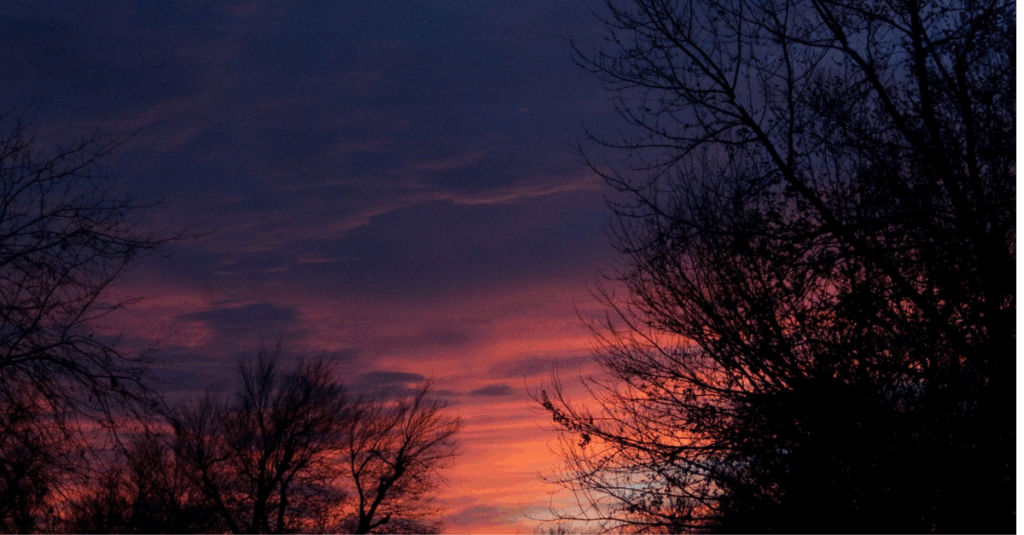
As the days grow shorter and the November dusk creeps in earlier each evening, ‘kura skymning’ is a beautiful Swedish phrase that captures the mood perfectly.
Literal meaning: ‘Huddle at twilight’
Cultural meaning: Gathering indoors as darkness falls – often with candles, warm drinks and quiet company.
In Sweden, kura skymning evokes the ritual of slowing down as the light fades. It’s not just about sheltering from the cold; it’s about embracing the hush, the stillness and the comfort of being together. It stems from a time when the fading light meant the working day was over. It was too dark to continue, and so people would naturally gather indoors.
In today’s world of always-on digital work culture, both from the office and at home, it’s something we have to choose rather than a necessity – but perhaps that makes it all the more beautiful as a form of quiet rebellion against the rush of the modern world.
Turglede
This simple word captures a joy that’s stitched into the Norwegian soul: Turglede, the simple yet profound joy of hiking.
Etymology: Tur = trip, walk or hike Glede = joy or delight
Together: ‘hiking joy’ — but it’s much more than putting one boot in front of the other. It’s about the wide sky, the hum of insects, the squelch of earth underfoot, the thermos of coffee halfway up, and the feeling that wherever you’re going, this is exactly the pace you need. In Norway, turglede reflects a deep cultural value: Being outside isn’t just recreation — it’s restoration. From after-work walks to epic hut-to-hut treks, this word honours the emotional boost that nature gives us, no matter the distance or weather conditions.
Snobrød
This one doesn’t refer to a natural phenomenon per se, but rather to an activity that is enjoyed in nature and closely associated with late summer evenings, hiking trips and the great outdoors.
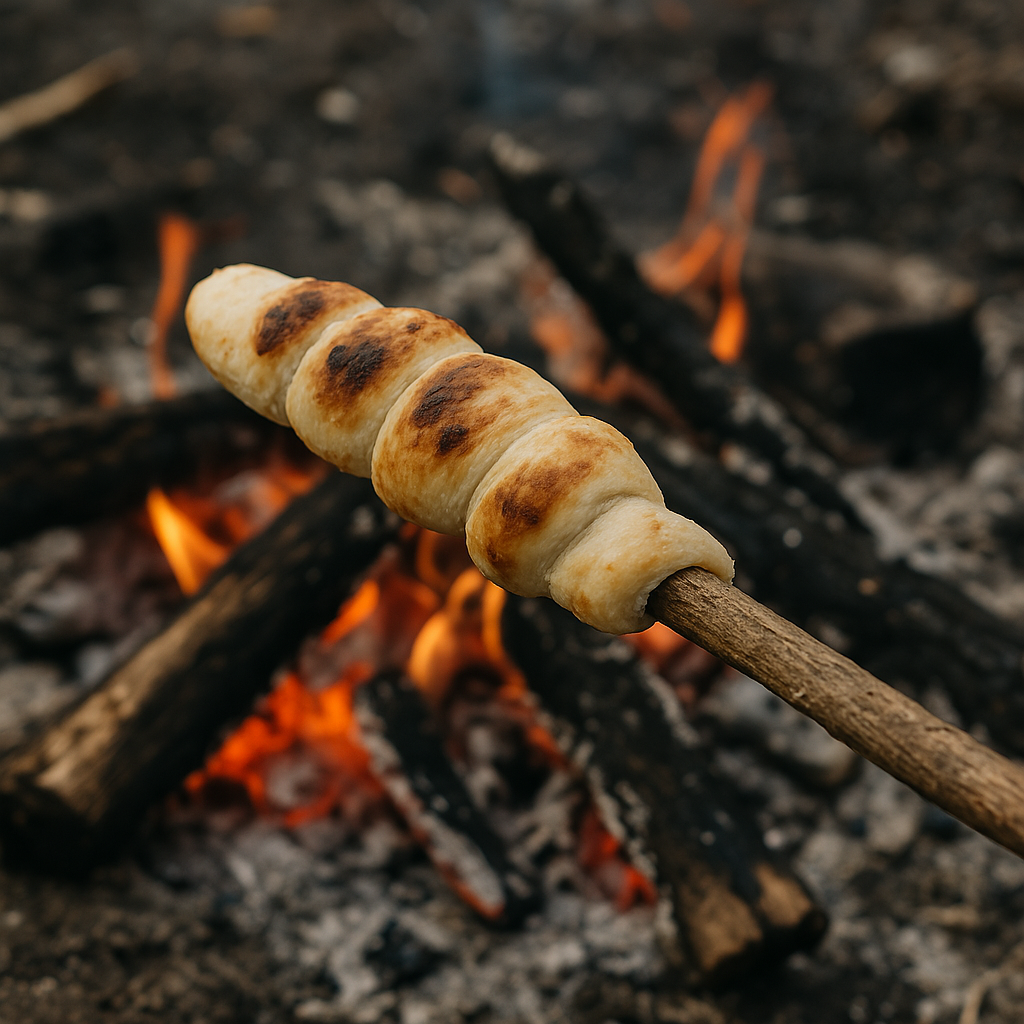
Snobrød literally means ‘twisted bread.’ At first glance, it’s simple: dough wound around a stick, slow-roasted over open flames.
But snobrød is more than just campfire carbs. It’s the scent of woodsmoke in your hoodie, the slight panic of dropping your bread into the embers, the shared silence as you test if it’s cooked through. It’s tactile, communal, slow – everything summer is meant to be.
In Denmark, snobrød is a rite of passage at school camps and on summer holidays. It is often a staple at midsummer celebrations, bonfire gatherings and spontaneous sunsets on the beach. Its DIY baking meets social ritual, usually eaten hot off the stick, slightly undercooked in the middle – and all the better for it.
Can you think of any iconic Nordic nature words we haven’t included here? Send us an email!