

The tourism industry is solid. Even as factors like inflation and climate change pose a threat, our need for adventure and recreation means that we will always want to spend our money on travel and experiences. However, trends do change – old destinations fall out of favour while new ones go viral and explode overnight. In the age of social media especially, it is essential to advertise and influence consumer behaviour if we are to remain popular – and attract the right kind of high-value visitors.
A great way to do this is through destination marketing. Even if you represent a smaller business such as a hotel or a tour provider, you can leverage the appeal of your destination to collect clicks – and then gently nudge netizens towards your particular business. After all, in most cases, it’s the destination people are coming to see and experience, so why not make the most of its unique selling power?
In this blog post, we’re going to explore three great content types you can use in destination marketing, as well as the pitfalls and advantages that come with them. Read on to learn more and discover how you can use this content to drive conversions and better target your marketing efforts.
Lists & Guides
Planning a trip can be overwhelming. There is so much information out there, and today, most travellers want to find something unique and escape the crowds that flock to the must-see sights. This means that comprehensive, well-written lists are like gold dust for would-be travellers – especially if they’re tailored to a particular type of visitor (outdoorsy, culture vulture, book worm, etc) and full of practical information that makes trip planning easier. Here’s what to consider when creating this content:
- Start with a hidden gem or a unique insight. For example, if you’re promoting Paris, then kicking off with the Eiffel Tower won’t exactly help you stand out. But a Japanese-inspired patisserie in the Marais, or an independent gallery in the shadow of the Pompidou? That signals insider info and will help you stand out as a useful resource.
- Stay up-to-date. The second your reader discovers that an attraction or a business on your list has closed down, they’ll dismiss your entire publication as out of date and untrustworthy. You will need to review your lists at regular intervals and remove or adapt them as necessary, otherwise they might arouse suspicion rather than interest.
- Consider adapting for different markets. If localising into a handful of languages, look at the latest market data and insights and tailor your lists depending on what you know visitors in certain countries are after. For example, domestic travellers and visitors from nearby countries will have different knowledge and interests compared to others from farther afield. The local cuisine, meanwhile, may hold great appeal to visitors from certain destinations but not from others, and so a tailored approach will always yield the greatest effect.

Itineraries
Itineraries are a great and very practical format. Not only do they help visitors decide what to see and do, but they also contribute practical suggestions around how to organise a trip and combine different activities. This can be very valuable to first-time visitors who don’t know the layout of the city and maybe have questions about the best way to get from one neighbourhood to another. Just be sure to keep the following in mind:
- Keep it realistic. We’ve previously seen the itinerary format misused as a way to cram in lots of different tips and ideas together. This might seem like a good way to create value, but readers expect itineraries to be feasible and realistic. Suggesting three museums in one morning – especially if they’re miles apart – is more likely to irritate than inspire. Instead, mix culture with relaxation and let geography guide you for an attainable itinerary that your readers can actually follow.
- Hone in on a specific traveller type. Rather than attempting to create an itinerary that will please everyone, create content that aligns with what you offer and target a certain category of traveller. This might be a foodie itinerary that takes in the local specialities with regular rest-stops in the town’s trendiest cafés, or maybe an arts-and-culture tour with book shops, design stores and architectural highlights. Adapt your localised versions, too, and make sure your suggestions are relevant to each individual market.
YouTube City Tours
Visual content will always pack more of a punch, especially given the power that images have to connect with us emotionally and encapsulate a destination’s wow factor. YouTube is increasingly used as a source of information and inspiration ahead of a trip because it prepares us like no other medium for what to expect and it gets us excited for all the sights we are going to see and experience. Our tips for this content:
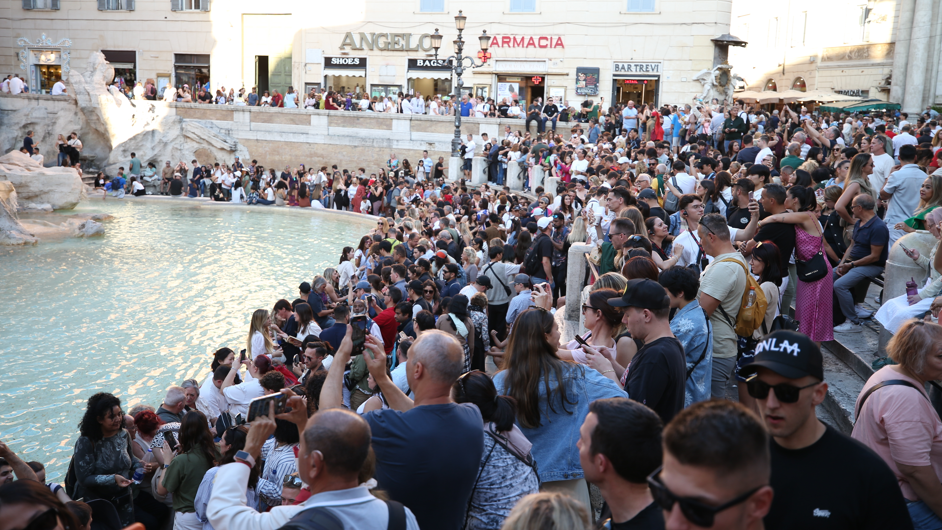
- Plan your shoot and time it right. Don’t just head out aimlessly with your camera. Instead, use Google Maps to plan your route and try and film on a day when the sun is shining. Take in the most popular spots at less popular times to avoid capturing hordes of tourists, and shoot as much content during golden hour as you can. Consider also whether it might be worth filming on a specific market day or when there are light shows or fountain displays taking place.
- Use a fast-forward effect to create a sense of place. Actually walk between the different attractions or sites you choose to highlight and film the route, then speed it up in the edit. This gives you a nice little transition between segments that also performs a practical function in that it helps viewers see how the different pieces of the destination connect together like a jigsaw puzzle.
- Film in the local language and use quality localised subtitles to increase accessibility. The more languages you offer, the more viewers you can reach and really connect with – while simultaneously offering an audio snapshot of the cityscape. This will create a deeper emotional connection and a better user experience than filming in broken or imperfect English and it will feel like a more immersive and authentic cultural experience for your viewers. Plus, speaking the local language boosts your authority as an expert who has genuine local tips to offer.
Create & Localise with Us
We hope you’re now feeling inspired to create some quality destination marketing content that can channel users to your website. These three options above are just a few of the many different options you can explore – be sure to also consider social media posts and videos for Reels and Stories, long-form articles, comprehensive guides, news stories and even live streams or podcasts.
Whatever route you decide to go down, we can help you with all steps along the way. From cultural consultancy and market insights to content creation, localisation and performance monitoring.
At Comunica, we’re experts in multilingual communication and the tourism sector, whether you’re looking to attract visitors to or from the Nordics, or from somewhere else entirely.
For more inspiration, check out our blog post on sustainable tourism and localisation – or contact us today for a free consultation and discover what we can create together.