


COMUNICA offers Norwegian to English and English to Norwegian translation services for a range of industries and purposes, from medical and marketing texts to websites, legal documents and more. If you are interested in translating text from Norwegian to English or English to Norwegian – or wondering whether it is even necessary to pay for professional translation between these pairs – read on below to learn more about the services we offer.
Facts about the Norwegian Language
Although Norway is a large country in geographic terms, it has a small population of just 5.5 million and is situated on the north-western flank of Europe. This means that its language is less well known than those of major European countries like Germany or France. Even so, Norway is a fascinating country with a rich history and a vibrant language worth getting to know in more detail.
- Two for the Price of One: There are actually two official written standards of Norwegian: Bokmål and Nynorsk. Bokmål is more similar to Danish and is used more widely, while Nynorsk is based on traditional dialects and promotes linguistic diversity. The two languages are very similar and can be thought of as dialects in written form.
- Dialect Diversity: Norway’s rugged terrain has led to the development of a wide range of dialects. Some are so distinct that speakers from different regions might struggle to understand each other.
- Influence on English: Norwegian has had an out-sized influence on English, especially due to historical interactions between Vikings and the English-speaking world. Words like “berserk,” “fjord,” and “ski” have Norwegian origins.
- The Middle Sister: You may have heard it said that the Scandinavian languages are mutually intelligible. Norwegian is often described as the middle sister of the three languages, because its writing system is similar to Danish yet its pronunciation more closely matches Swedish. This makes it the perfect language for understanding all three.
- Sami Influence: The Sami people, indigenous to northern Scandinavia, including parts of Norway, have had a notable influence on the Norwegian language. Northern Norwegian dialects have absorbed Sami loanwords related to reindeer herding, Arctic environments and indigenous cultural concepts.
Why Translate English to Norwegian?
Like their Scandinavian neighbours, Norwegians are highly proficient in English, ranking third in Europe and fourth in the world, according to the 2022 EF English Proficiency Index. This is partly because English has been a compulsory subject in Norwegian primary schools since 1997. Another factor is the fact that many Norwegians, especially in Oslo, work for international companies and use English on a daily basis when talking to colleagues, partners and clients.
So if that’s the case, why translate into Norwegian? Well, despite their proficient English skills, the fact remains that consumers worldwide prefer content in their own language. When Norwegians search for a product or service online, they use Norwegian phrases and search terms. That means if your content is only available in English, you will automatically lose out on those potential conversions.
Why Translate Norwegian to English?
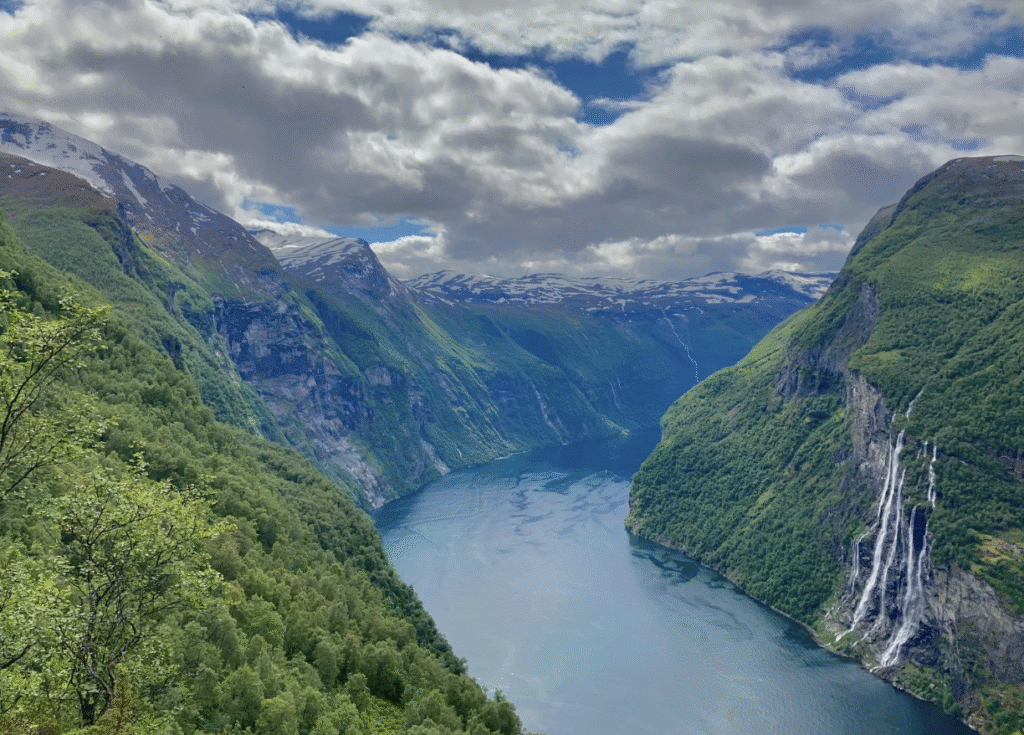
Norway is a hugely innovative country with multiple links to the outside world across various different sectors and domains. Its spectacular fjords and natural scenery draw 5.9 million visitors to the country each year, while its shipping, oil and energy sectors connect to global networks and require daily communication across linguistic boundaries.
Accurate communication is crucial within all of these domains, and so it is often not enough for bilingual Norwegians to attempt their own translations. This is especially true when it comes to drafting legal documents or specifying the contents of a particular service or package. In order to ensure seamless and unambiguous communication, professional Norwegian to English translation is often required.
What are the Challenges of Norwegian to English Translation?
Although both English and Norwegian are Germanic languages with relatively similar grammars and vocabularies, translating between them can often pose a variety of different challenges.
A common issue faced by non-professional translators of Norwegian into English is subject-verb agreement. Because Norwegian verbs often take the same form no matter who is speaking, it can be tricky for Norwegians to remember to conjugate the verbs properly in English. This issue is often compounded by Norwegian’s lack of a continuous tense, e.g. “I am doing it now” instead of simply “I do it now”.
What this means in practice is that Norwegians often produce slightly off-kilter sentences like “I does this all the time” or “My colleague and I writes the text” which, although fully comprehensible, sound odd to native ears. They mays cause confusion in regards to who exactly is performing an action or when it is carried out.
Idioms can be another tricky one. Norwegian is full of colourful and imaginative idioms, often with links to both the country’s deep lore and its recent history. These may sound ridiculous and perhaps a bit baffling if translated literally. The challenge is that exact equivalents do not always exist, and a certain idiom may sometimes be chosen because it may belong to the same domain as the text. For example, a person writing about swimwear may choose idioms that reference the water or athleticism. Translators often need to get creative to find a solution that works without diluting the humour and charm of the original text.
Here are some examples of Norwegian idioms:
- Å hoppe etter Wirkola (lit. to jump after Wirkola) Meaning: To attempt something that someone else has already done exceptionally well. This idiom references Norwegian ski jumper Bjørn Wirkola.
- Å selge skinnet før bjørnen er skutt (lit. to sell the skin before the bear is shot) Meaning: To count your chickens before they hatch; to make plans based on assumptions rather than certainty.
- Å gå rundt grøten (lit. to walk around the porridge) Meaning: To beat around the bush or avoid getting to the point.
What are the Challenges of English to Norwegian Translation?
The first challenge when it comes time to translate English to Norwegian is deciding which version of Norwegian to use. As mentioned above, Norwegian is highly dialectical and two standard versions exist in writing – Bokmål and Nynorsk. While Bokmål is the more common variety, translating into Nynorsk may be advantageous in certain contexts.
Once that matter is settled, another problem you may encounter when using a lay translator are issues with the verb position. Norwegian is a so-called V2 language, meaning the verb almost always occupies the second position of a sentence. Introducing a different word at the start, like nå (meaning now), for instance, has a domino-like effect on the words that come after so that “jeg bor I Oslo” (I live in Oslo) becomes “nå bor jeg I Oslo”.
A professional translator will no doubt be familiar with these rules of grammar, but even experienced linguists will still have challenges to contend with in English to Norwegian translation. Sometimes simple words with clear cognates in both languages can have overlapping and conflicting meanings, including basic terms such as care, competence and services (as recognised by one study). Finding the right word for each context takes great analytical and linguistic skill.

Why are Norwegian Translations Expensive?
It is no secret that the Nordic languages in general are more expensive to translate than other common European languages such as Spanish, French and Italian. Norwegian, in particular, has a reputation for being among the most expensive in the world. There are two very good reasons for this:
- There are very few qualified and professional translators in these language pairs, meaning greater demand and less competition, which inevitably leads to higher prices.
- Wages and living costs in Norway are very high due its egalitarian social system and wealth generated from natural resources. As many Norwegian translators live in the country, they need to charge higher wages to earn a sustainable living.
Professional Norwegian to English and English to Norwegian translations from COMUNICA
At Comunica, we work with talented, native and qualified translators who are experienced in taking texts in either English or Norwegian and transforming them into flowing, natural-sounding and accurate translations in the other language. Our translators are deeply familiar with both the mechanics and culture of their working languages, and this allows them to craft texts that are localised and adapted so that they read like native texts, rather than clunky and compromised translations.
Moreover, we are not only experts in the translation process itself, but we can also help with related and ancillary services such as localisation (which means adapting the text to the culture and conventions of its target market), proofreading and editing, search-engine optimisation and even content creation via our multi-lingual copywriting services.
If you would like to learn more about us and how we can help you with our Norwegian to English and English to Norwegian translation services, you are very welcome to get in touch with us for an informal chat about your translation needs and how we can assist.
Alternatively, you can use our online form to get a commitment-free quote quickly and easily for your Norwegian to English or English to Norwegian translation needs.